HME Drive Thru in Pakistan: The 2026 Playbook for Faster, Smarter Lanes
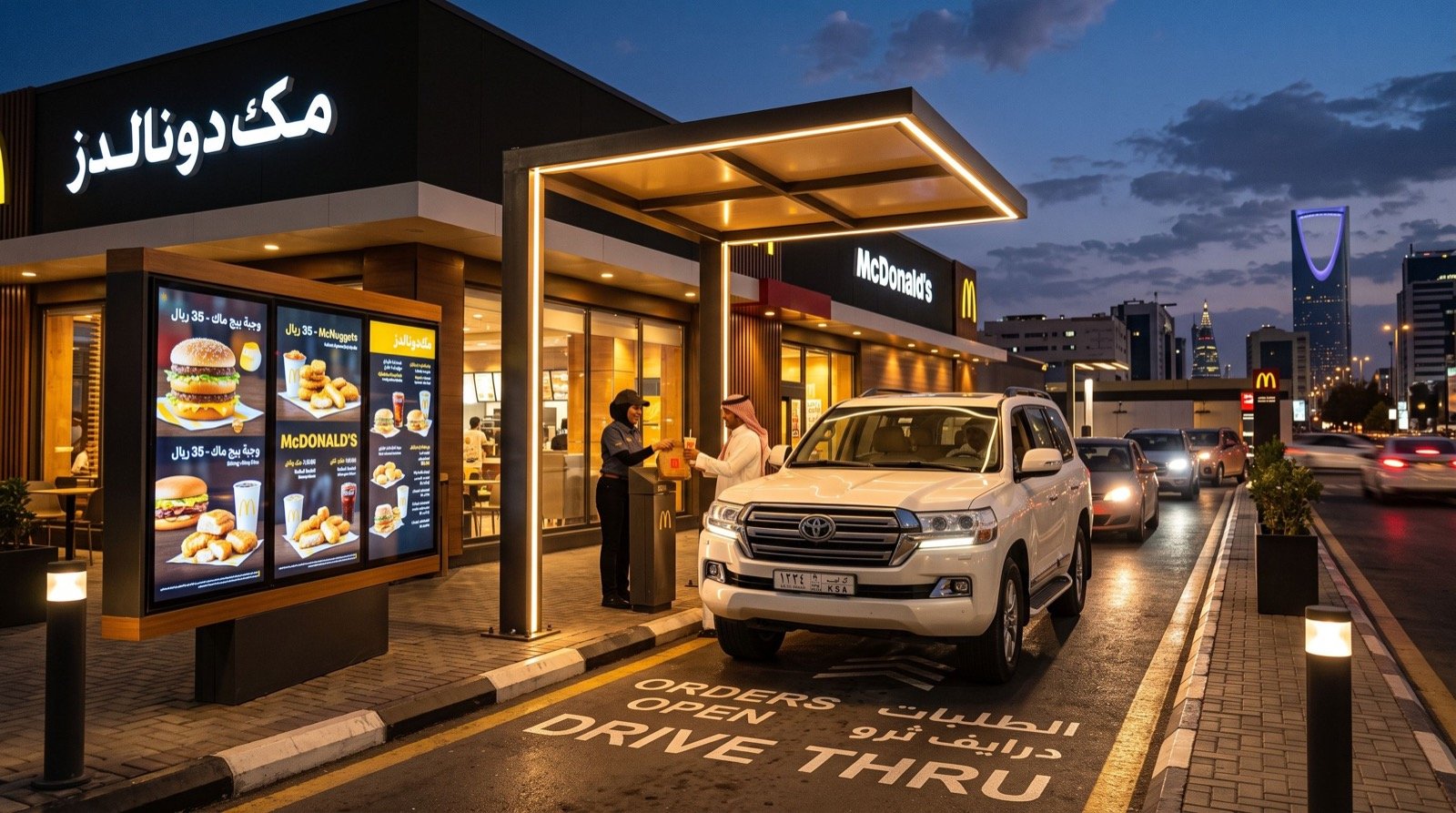
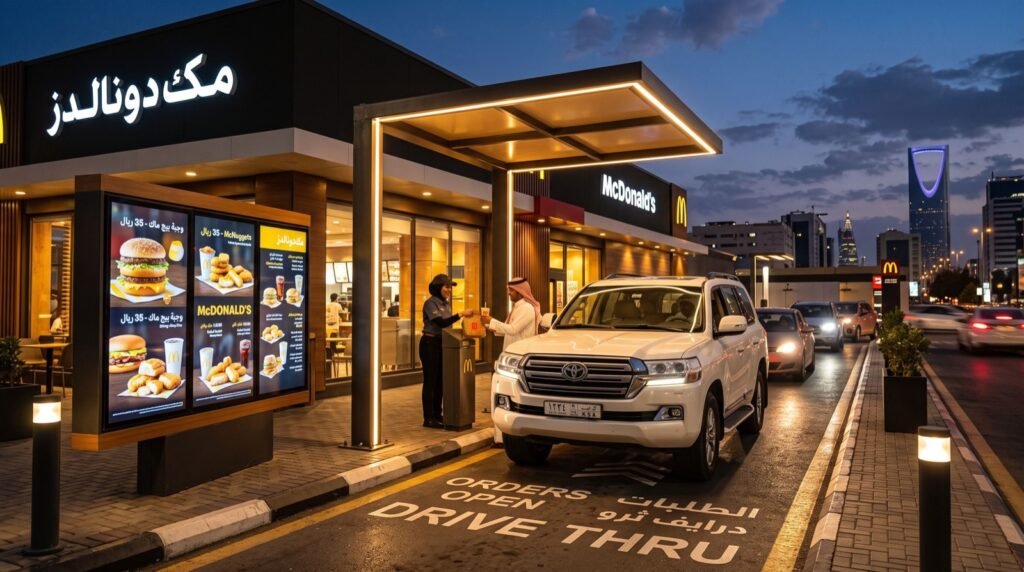
Speed of service decides winners in the quick-service restaurant race. When cars back up at the lane, customers drift to the competitor across the road. That is why a professional HME drive thru in Pakistan setup has become a serious growth investment for restaurants in Islamabad, Lahore, and Karachi in 2026.
This playbook explains how modern drive-thru audio works, why clear communication drives sales, and how in-branch queue tools complete the customer journey. It is written from real deployment know-how, not brochure talk.
Why Drive-Thru Audio Quality Changes Everything
A muffled order line creates mistakes, refunds, and long waits. Every misheard order slows the entire lane behind it. Crisp two-way audio fixes the root problem.
Premium headset and base-station systems give crew members clear sound even during rush hour. Order-takers hear customers the first time, so accuracy climbs and lane times drop.
For restaurants that want proven, durable lane hardware, this HME drive thru in pakistan solution delivers the clarity and reliability busy kitchens need.
The Real Cost of a Slow Lane
- Lost sales when cars leave a long, stalled queue.
- Order errors that trigger remakes and wasted food.
- Stressed crews shouting over background noise.
- Poor reviews that follow every frustrating visit.
Core Parts of a Modern Drive-Thru System
A complete lane setup blends several components into one smooth flow. Each piece supports fast, accurate service.
1. Headsets and Base Stations
Wireless headsets keep hands free while crews take orders and prep food. A reliable base station manages channels and battery health across shifts.
2. Vehicle Detection Loops
Sensors alert staff the moment a car arrives at the speaker post. This shaves precious seconds off every greeting.
3. Timing and Analytics
Lane timers measure each stage, from order to pickup. Managers use this data to coach crews and hit service targets.
Beyond the Lane: In-Branch Queue Flow
Drive-thru speed matters, yet many customers still walk in to order or collect. A messy counter line undoes the good work at the lane.
Adding a queue management system in islamabad keeps walk-in orders orderly, so both channels run smoothly under one management view.
When lane timers and counter queues share reporting, managers finally see the whole picture. They staff peak hours precisely instead of guessing.
Deployment Roadmap That Works
Successful rollouts follow a clear, tested sequence. Skipping steps leads to noisy, unreliable lanes.
- Survey the site. Check lane length, power, and speaker-post placement.
- Test audio zones. Confirm clear sound at the speaker and inside the kitchen.
- Assign channels. Prevent crosstalk between order-takers and expeditors.
- Train the crew. Run scripted practice orders before opening day.
- Review timers weekly. Set targets and coach toward faster, accurate service.
One field-tested tip: charge and rotate spare headset batteries in a labeled rack. A dead headset mid-rush is the fastest way to stall a lane, and this simple habit prevents it entirely.
Comparing Lane Setups for Different Restaurants
Menu size and traffic shape the ideal configuration. Use the table below to match a setup to your outlet.
| Outlet Type | Headsets | Timing System | Queue Add-On |
|---|---|---|---|
| Single-lane café | 2–3 | Basic timer | Optional |
| Busy burger outlet | 4–6 | Full analytics | Recommended |
| Dual-lane chain store | 6–8 | Advanced multi-lane | Yes |
| Food court kiosk | 2 | Basic | Yes (walk-in) |
What the Numbers Say About Speed
Service time is a make-or-break metric in quick-service dining. Faster, accurate lanes lift throughput during the exact windows that generate the most revenue.
Food safety and consistent process also protect your brand as volume grows. Guidance from the World Health Organization reinforces that disciplined, repeatable operations reduce errors and safeguard customers.
Restaurants seeking a smooth end-to-end fit-out often start by shortlisting quality service providers who understand both the hardware and the daily realities of a busy kitchen.
Digital Menu Boards and Upselling
The drive-thru is a prime sales surface, not just an order window. Modern outbound systems pair audio with smart digital menu boards.
Bright, dynamic boards showcase combos, limited-time deals, and add-ons at the exact moment of decision. A well-timed prompt for a drink or dessert lifts average ticket value without slowing the lane.
Order-confirmation displays also cut errors. Customers see their order on screen, catch mistakes early, and drive off satisfied. Fewer disputes at the window keep the whole lane flowing.
Simple Upsell Wins
- Suggest a matching drink with every meal.
- Highlight one featured dessert on the board.
- Bundle sides into a single-tap combo.
- Promote loyalty sign-ups at the pickup window.
Maintenance That Keeps Lanes Running
Even the best hardware needs simple, disciplined care. A short maintenance routine prevents most rush-hour breakdowns.
Clean speaker posts and microphones weekly, since dust and weather degrade audio over time. Inspect headset ear cushions and swap worn parts before they fail. Keep firmware current so the base station runs smoothly across busy shifts.
Restaurants that schedule a quick monthly check almost never face a dead lane during peak hours. This small habit protects the sales you cannot afford to lose.
Frequently Asked Questions
How does an HME drive thru in Pakistan improve service speed?
Clear wireless audio removes misheard orders and repeats, while vehicle sensors and lane timers help crews greet and serve faster. Together they cut total lane time during rush hours.
Can I add queue management for walk-in customers?
Yes. A counter queue system organizes walk-in and pickup orders. When paired with lane timers, managers see both channels in one dashboard for smarter staffing.
How many headsets does a busy outlet need?
A busy single-lane burger outlet typically runs four to six headsets, while dual-lane stores need more. The right count depends on crew size and peak traffic.
Is installation disruptive to daily operations?
Most installs are phased to avoid downtime. Technicians often work during off-peak hours and test thoroughly before the next rush begins.
Training Crews for Peak Performance
Hardware sets the ceiling, but trained crews reach it. A short, focused coaching routine turns a good lane into a great one.
Teach order-takers a consistent greeting and confirmation script so customers hear clarity, not chaos. Practice handoffs between the order point and the pickup window until they feel automatic. Review lane-timer data with the crew, celebrate fast, accurate shifts, and coach gently where numbers slip.
When crews own their metrics, service speed becomes a shared goal rather than a manager’s demand. That culture shift often delivers bigger gains than any single piece of hardware.
Final Thoughts
A well-planned HME drive thru in Pakistan turns a slow, error-prone lane into a fast, profitable machine. Pair it with a smart in-branch queue platform, and you serve both drive-thru and walk-in customers with equal precision. Start with a proper site survey, train your crew well, and review your timers every week. In 2026, lane speed is the edge that keeps cars coming back instead of driving away.