Buy Solar Products Online in Pakistan: A 2026 Homeowner’s Guide
More homeowners now choose to buy solar products online in Pakistan rather than visiting a string of local electronics markets, and for good reason — online sellers often carry wider stock, clearer pricing, and real warranty documentation that street vendors rarely offer. But shopping for solar gear online carries its own risks if you don’t know what to check first.
This 2026 guide covers how to shop smart for panels, inverters, and batteries online, how to avoid counterfeit components, and what a complete home solar upgrade actually looks like from first order to final switch-on.
Why Online Shopping Changed the Solar Market
Just as Pakistani shoppers now expect transparent pricing and verified sellers when buying everyday goods online, that same expectation has spread to solar equipment. Buyers want product specs, certifications, and customer reviews before committing to a purchase that can cost as much as a small car.
The shift has pushed serious sellers to publish clearer spec sheets and warranty terms, which benefits everyone — except the market still has enough grey-market stock that a careless buyer can still end up with mislabeled wattage or a battery that isn’t truly the chemistry advertised.
Spotting Authentic Solar Products Before You Buy
Counterfeit or mislabeled panels and batteries remain a real problem in South Asia’s solar market. Before paying for anything, confirm the seller provides a manufacturer serial number, a written warranty period, and ideally a way to verify authenticity directly with the brand.
Shoppers looking to buy solar products online should compare at least two or three listings side by side, checking wattage tolerance, cell technology, and whether the warranty is honored locally rather than requiring you to ship a faulty unit overseas.
Research from the U.S. National Renewable Energy Laboratory has repeatedly shown that panel degradation rates vary significantly between genuine tier-1 products and uncertified alternatives, which is exactly why verifying the source matters more than chasing the lowest listed price.
A Quick Authenticity Checklist
- Ask for the manufacturer’s serial number and batch certificate.
- Confirm warranty is serviced locally, not only through the manufacturer abroad.
- Check for consistent branding, labeling, and packaging quality.
- Read recent buyer reviews specifically mentioning performance after months of use.
- Avoid sellers unwilling to provide a proper invoice with product specs listed.
Planning a Full Home Solar Upgrade
Buying components online works best when you already have a plan for the full system, not just a panel on sale. A typical home upgrade order looks like: confirm your load needs, choose panel wattage and quantity, select an inverter with enough headroom, then pick a battery bank matched to your backup hours.
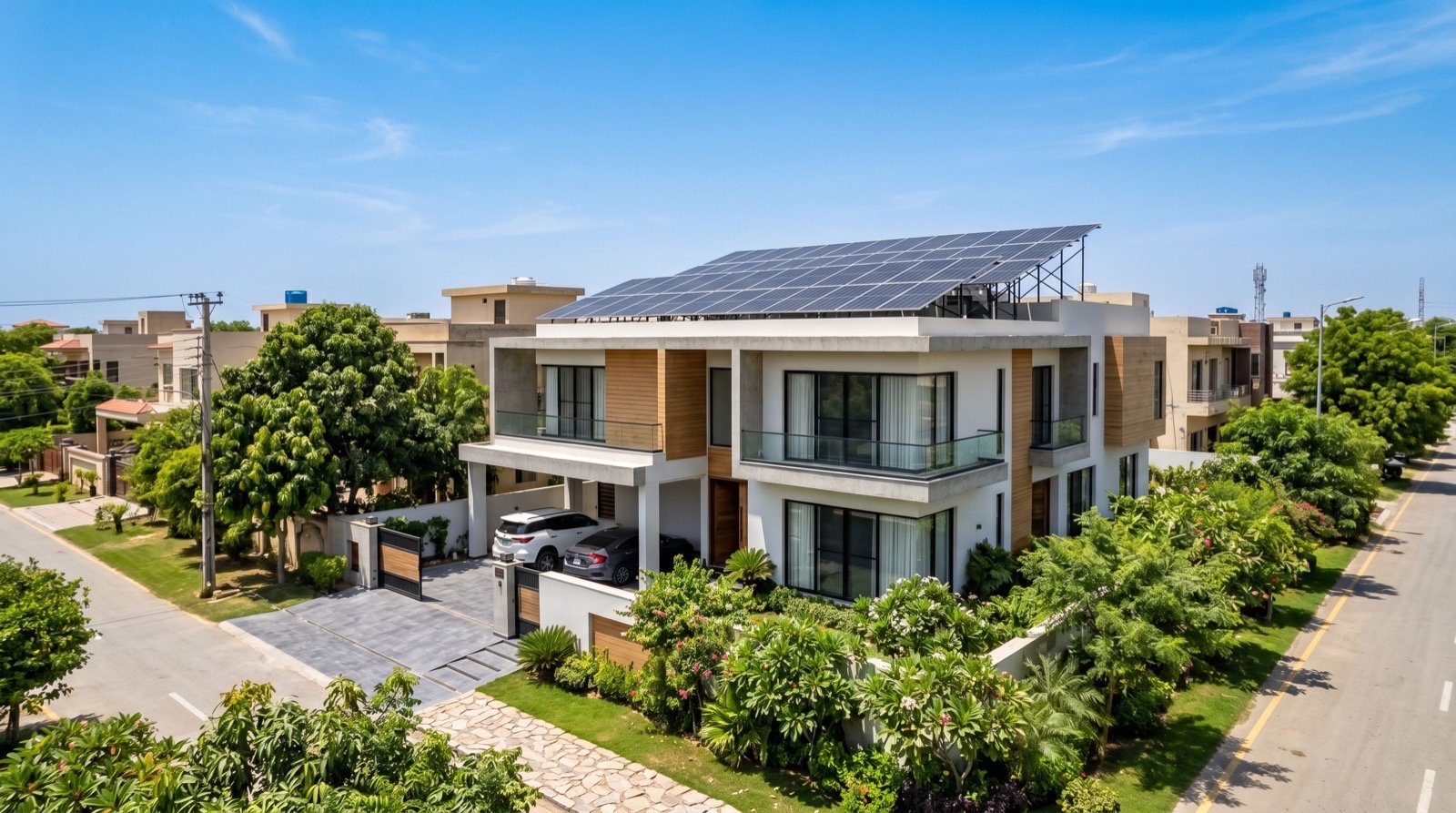
For the installation itself, homeowners going this route often still rely on solar panel installation Pakistan services to handle mounting, wiring, and safety checks — buying parts online doesn’t mean skipping professional setup, especially for rooftop systems carrying real electrical load.
Comparing Purchase Routes
| Purchase Route | Pricing Transparency | Warranty Clarity | Best For |
|---|---|---|---|
| Local market vendor | Low | Often verbal only | Quick small replacements |
| Verified online store | High | Written, documented | Full home systems |
| Marketplace reseller | Medium | Varies by seller | Budget-conscious buyers |
| Direct manufacturer order | High | Strongest | Bulk or commercial orders |
What Else Matters Beyond Price
Just as readers researching where to find reputable service experts for quality online purchases learn to weigh seller trust over flashy discounts, solar buyers should apply the same scrutiny. A slightly higher price from a seller with real support and documented warranty almost always beats a rock-bottom price from an anonymous listing.
Delivery and installation coordination also matter. Confirm whether the online seller arranges installer referrals or leaves that step entirely to you, since mismatched expectations here cause most of the post-purchase complaints homeowners report.
Red Flags That Should Make You Close the Listing
Some warning signs are easy to miss when you’re excited about a good price. A listing with no visible seller address or business registration, stock photos instead of real product images, or a price dramatically below every competitor’s listing for the same wattage should all raise immediate doubt.
Pay close attention to vague spec sheets too. A trustworthy listing specifies cell type, exact wattage tolerance, frame material, and junction box rating. A listing that only says “high quality solar panel” without numbers is telling you the seller either doesn’t know the specs or is hoping you won’t ask.
Payment method matters as well. Sellers who refuse any form of traceable payment, or who pressure you to pay the full amount before showing proof of stock, are far riskier than established stores offering partial payment on delivery or verified escrow options.
What Happens After You Place the Order
A good online solar seller doesn’t disappear after checkout. Expect a confirmation call verifying your order details and delivery address, a realistic delivery window communicated upfront, and packaging that protects panels from the kind of transit damage that can crack cells invisibly.
When your order arrives, inspect it before the courier leaves if at all possible. Check for visible frame damage, confirm the serial numbers match your invoice, and test basic functionality where feasible before considering the delivery complete. Catching a shipping issue immediately is far easier to resolve than discovering it weeks later during installation.
Frequently Asked Questions
Is it safe to buy solar products online in Pakistan?
Yes, as long as you verify the seller’s authenticity documentation, warranty terms, and reviews before paying — the same caution you’d apply to any high-value online purchase.
What’s the biggest risk when buying solar panels online?
Mislabeled wattage or counterfeit cells are the most common issues; always request serial numbers and compare performance claims against independent reviews.
Should I buy the whole system from one seller?
It’s often easier for warranty tracking and compatibility, but comparing specs across sellers for each component individually can sometimes save money without sacrificing quality.
Does buying online still require a professional installer?
Yes. Rooftop systems involve real electrical risk, so professional installation remains necessary regardless of where the components were purchased.
Building a Realistic Shopping Timeline
Rushing a solar purchase almost always costs more in the long run. A sensible timeline starts with two to three weeks of research and quote gathering, followed by a short window to finalize component choices once you’re confident in a seller’s reputation and documentation.
Leave extra time for delivery, especially if ordering during peak demand months when couriers and installers alike are juggling a higher volume of work. Buyers who build in this buffer report far fewer last-minute surprises than those trying to go from browsing to switch-on within days.
Final Thoughts
Choosing to buy solar products online in Pakistan can save real money and offer better documentation than a local market purchase — provided you verify authenticity, compare warranty terms, and still budget for professional installation. Shop carefully in 2026, and your home solar upgrade will perform exactly as advertised for years to come.