
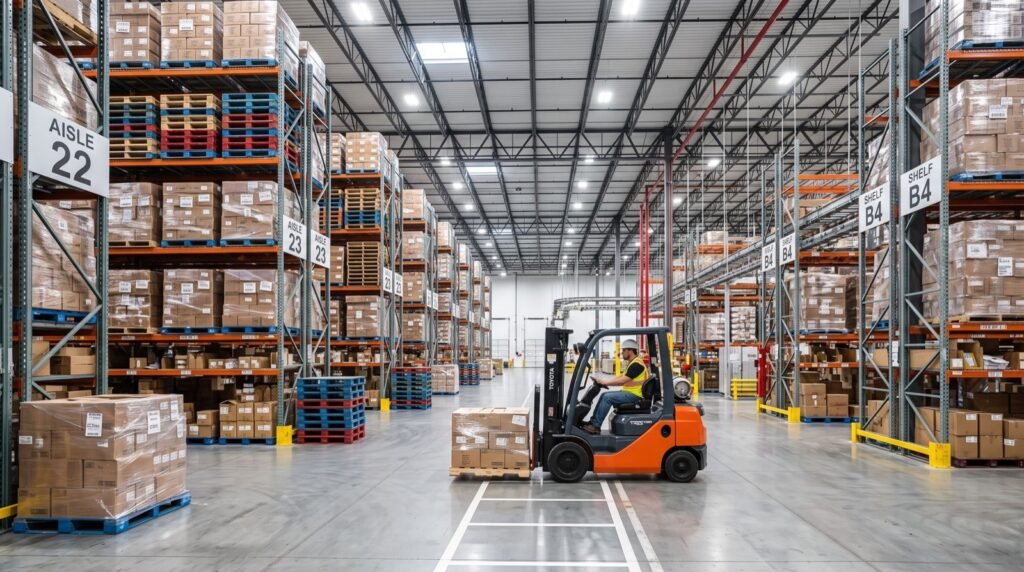
Every restaurant lives and dies by its stockroom. A kitchen can have brilliant chefs and a full dining room, yet still bleed profit if flour clumps in humidity, canned goods overflow into the walkway, or a delivery of dry goods has nowhere to land. Smart food-service operators treat storage as a core part of the menu, not an afterthought.
In 2026, with ingredient costs climbing and food-safety inspections tightening across Saudi Arabia, off-site and overflow storage has become a practical lifeline for cafes, catering companies, and multi-branch restaurants. This guide explains how food businesses can use dedicated storage to protect stock, cut waste, and keep the back-of-house running smoothly.
Why Do Restaurants Need Dedicated Storage?
Most kitchens are designed for cooking, not warehousing. On-site shelving fills up fast, and cramming bulk purchases into a tight pantry invites spoilage, pests, and safety violations. Dedicated storage moves the overflow out of the kitchen while keeping it accessible.
There are three recurring pressures that push food businesses toward external storage. Understanding them helps you decide what type of space you actually need.
- Bulk buying: discounts on flour, oil, rice, and packaging only pay off if you have somewhere clean to keep them.
- Seasonal spikes: Ramadan, festivals, and event catering demand extra stock for short, intense periods.
- Multi-branch supply: a central store lets a small chain distribute ingredients evenly instead of over-ordering per site.
Dry, Chilled, or Frozen: Matching Storage to Ingredients
Not all food needs the same environment. Getting the category right is the single biggest factor in whether your stock survives to the plate. The table below breaks down the main storage types and the products that suit each.
| Storage Type | Typical Temperature | Best For |
|---|---|---|
| Dry / Ambient | Room temperature, low humidity | Flour, rice, pasta, canned goods, spices, packaging |
| Chilled | 0°C to 5°C | Dairy, fresh produce, prepared sauces, cold cuts |
| Frozen | −18°C or below | Meat, seafood, frozen vegetables, ice cream |
What Makes Dry Storage So Important?
Dry storage is the workhorse of any food business. It holds the highest volume of stock and, ironically, is where the most avoidable waste happens. Humidity, heat, and poor rotation turn shelf-stable goods into losses. A clean, climate-controlled dry room keeps flour dry, oils stable, and canned goods dent-free.
For operators in the capital, professionally managed Dry Storage in Riyadh gives you consistent temperature and humidity control that a back-kitchen shelf simply cannot match. That stability protects flavour, texture, and safety across your entire ambient inventory.
How Proper Storage Cuts Food Waste and Cost
Food waste is money in the bin. The United Nations Environment Programme reports that food service is one of the largest contributors to global food waste, and much of it traces back to poor storage and rotation rather than over-cooking. You can read the detail in the UNEP Food Waste Index Report.
Well-organised storage attacks waste on several fronts at once. It keeps stock at safe temperatures, makes first-in-first-out rotation easy, and gives you visibility of what you actually have before you reorder.
- Label every delivery with its arrival and expiry date.
- Store older stock at the front so it gets used first.
- Group ingredients by menu section for fast picking.
- Audit shelves weekly to catch slow movers before they spoil.
- Keep chilled and frozen items in their correct zones, always.
Setting Up an Efficient Food Storage System
A good system is boring in the best way: predictable, labelled, and easy for any staff member to follow. Start with clear zoning so dry, chilled, and frozen goods never mix or migrate. Then standardise your containers and labels so a new hire can find harissa or chickpeas without asking.
Access matters as much as temperature. Position high-turnover items near the entrance and reserve the back for bulk and seasonal stock. When you outsource overflow to a facility built for food, look for hygiene certification, pest control, and staff who understand cold-chain handling. Established Storage for Restaurants providers design their space around exactly these food-safety needs.
How Often Should You Review Your Storage Setup?
Review your storage plan at least quarterly, and before any major seasonal push. Menus change, suppliers change, and volumes shift. A layout that worked last year may be forcing staff to walk past your busiest ingredient to reach a rarely used one. Small adjustments compound into real time savings across a busy service.
Choosing the Right Storage Partner
The right partner does more than rent you a cold room. They help you stay compliant, reduce spoilage, and scale without capital tied up in your own warehouse. Ask about temperature monitoring, backup power, delivery access, and how quickly you can retrieve stock during a rush.
Look for transparency and food-grade credentials. Working with trusted professionals who understand both storage and food safety turns a cost centre into a genuine operational advantage for your kitchen.
Frequently Asked Questions
What temperature should dry food storage be kept at?
Dry storage works best at a stable room temperature with low humidity, generally below 20°C where possible. Avoid heat spikes and moisture, since both accelerate spoilage in flour, grains, oils, and canned goods, and can encourage pests.
Can a small restaurant benefit from off-site storage?
Yes. Even a single cafe can free up cramped kitchen space, buy in bulk for better prices, and hold seasonal stock off-site. Flexible units mean you only pay for the space you use, which suits small operators well.
How do I prevent food waste in storage?
Use first-in-first-out rotation, label everything with dates, keep each product in its correct temperature zone, and audit shelves weekly. Most storage waste comes from poor rotation and mismatched temperatures rather than over-ordering alone.
Is separate storage needed for chilled and dry goods?
Absolutely. Chilled and dry goods require different temperatures and humidity levels, and mixing them risks spoilage and cross-contamination. A good facility offers distinct zones so each ingredient stays in its ideal environment.
Conclusion: Store Smarter, Serve Better
For any food business, storage is quiet infrastructure that decides whether your ingredients reach the plate at their best. By matching each product to dry, chilled, or frozen conditions, rotating stock rigorously, and partnering with a food-grade facility, you protect both quality and margin.
If your kitchen shelves are overflowing or your food waste is creeping up, now is the moment to rethink your storage in 2026. Map your ingredients to the right zones, tighten your rotation, and choose a partner built for food service. Your dishes, and your profit line, will taste the difference.