Fanvil IP Phones in Rawalpindi: 2026 Enterprise Guide
Growing businesses across the twin cities are rethinking how they connect teams, branches, and customers. If you are researching Fanvil IP Phones in Rawalpindi, you are already moving toward a smarter, more scalable communication stack. This 2026 guide explains what enterprise-grade deployments look like and how to get real value from them.
Rawalpindi’s commercial districts, from Saddar to Bahria Town, host a mix of call centers, trading firms, and professional offices. Each has different call patterns, yet all share one need: reliable voice that scales without drama. The good news is that modern SIP hardware delivers exactly that.
Why Enterprises Choose Fanvil IP Phones in Rawalpindi
Local decision-makers care about three things: uptime, cost control, and support. Enterprise handsets address all three when matched to a well-planned network. They register to your PBX, encrypt calls, and keep working through everyday disruptions.
Scale is where these devices shine. Adding a new agent no longer means running fresh copper across the office. Instead, you plug a phone into an existing network port and provision it in seconds.
Built for Heavy Call Volume
Sales floors and support desks push hardware hard. High-end models handle dozens of SIP lines, busy-lamp fields, and rapid transfers without lag. That headroom keeps agents productive during peak hours.
Executive-Grade Comfort
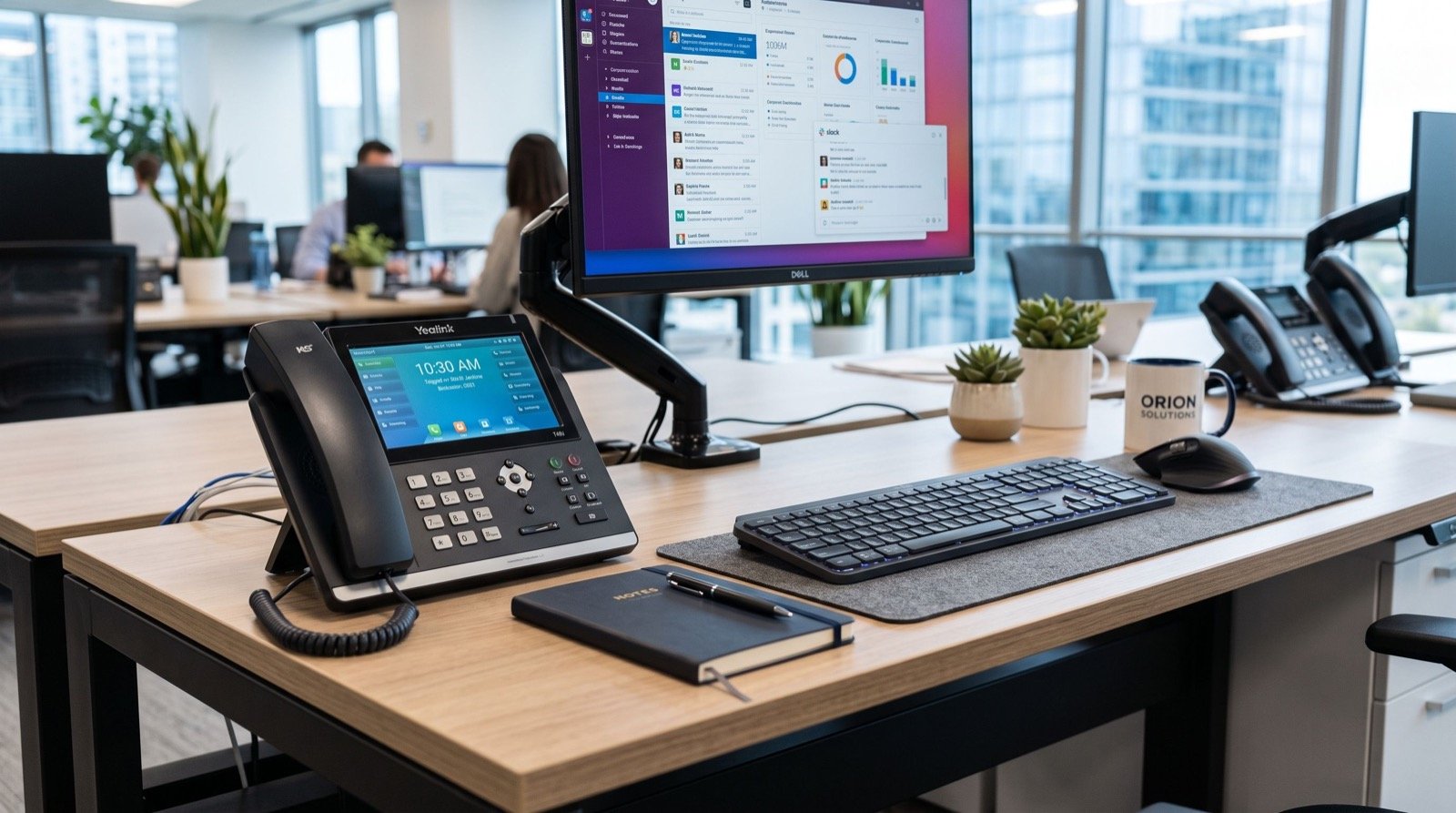
Leadership expects polish. A flagship set like the Fanvil X210 pairs a large color display with programmable side keys and premium audio. For directors juggling back-to-back calls, that refinement pays off daily.
Planning a Deployment: Where to Start
Every successful rollout begins with a honest audit. Map your departments, count concurrent calls, and note which roles need advanced features. This blueprint prevents both overspending and painful shortages later.
- Reception and front desk — need color displays and fast transfers.
- Sales agents — need many programmable keys and headset ports.
- Back office — need dependable, compact units at lower cost.
- Management — need flagship handsets with rich displays.
- Meeting rooms — need conference-friendly speakerphones.
Once the map is clear, sizing becomes simple. You assign a tier to each role and order accordingly. Partnering with reputable service experts during this phase keeps provisioning consistent and your cabling clean.
How Much Bandwidth Do Fanvil IP Phones Need?
This is the most common question from Rawalpindi IT managers. The honest answer is: less than most people expect. A single HD voice call using the common G.711 codec consumes roughly 87 kbps, while compressed codecs use far less.
So a 20-agent floor rarely saturates a modern business connection. The bigger factors are latency and jitter, not raw speed. Prioritize voice traffic with QoS and your calls stay crisp even under load.
A Realistic Sizing Example
Imagine a firm with 30 concurrent calls at peak. Using G.729 compression at about 31 kbps per call, total voice load stays near one megabit. Any reliable fiber or business DSL plan handles that comfortably with room to spare.
Comparing Common Deployment Tiers
| Tier | Best For | Key Feature | Typical Codec |
|---|---|---|---|
| Entry | Back office desks | HD audio, dual ports | G.711 / G.729 |
| Mid | Sales agents | Many line keys | G.722 wideband |
| Flagship | Executives | Color display, Bluetooth | G.722 / Opus |
| Conference | Meeting rooms | 360° microphones | G.722 wideband |
Mixing tiers keeps budgets sensible. You invest in premium hardware only where it earns its keep. Everyone else still gets clear, dependable calls.
Security and Standards You Should Demand
Voice traffic deserves the same protection as your data. Insist on TLS for signaling and SRTP for media so conversations stay private. Reputable vendors ship these features and patch firmware regularly.
Interoperability rests on open standards. The Session Initiation Protocol, standardized by the IETF in RFC 3261, lets phones from different makers work with your PBX. That openness protects your investment against vendor lock-in.
- Enable encryption on both signaling and media channels.
- Change default passwords before any device faces the internet.
- Segment voice traffic onto its own VLAN.
- Schedule firmware updates during off-peak hours.
- Back up configurations so recovery stays quick.
Multi-Branch Communication Across the Twin Cities
Many Rawalpindi enterprises operate satellite offices in Islamabad and beyond. Linking those sites under one phone system used to be complex and costly. Today a single cloud PBX unifies them effortlessly.
With one dial plan, staff reach any colleague by extension regardless of location. A three-digit number connects Saddar to Blue Area without a second thought. That seamless routing feels like everyone shares one building.
Free Inter-Office Calling
Calls between registered branches travel over the internet, so they cost nothing extra. A firm with four offices eliminates every internal toll charge overnight. Those savings fund the hardware upgrade surprisingly fast.
Centralized Management
Administrators control the entire fleet from one dashboard. They add users, adjust routing, and push firmware without visiting a single site. This central view slashes the time IT spends on routine changes.
Consistent Customer Experience
A unified system also polishes how customers perceive you. Every branch shares the same greeting, menu, and hold music. That consistency signals professionalism and builds trust with callers across the region.
Disaster recovery improves too. If one office loses power, calls reroute automatically to another branch or to staff mobiles. Your business stays reachable even during local disruptions, protecting revenue and reputation alike.
Frequently Asked Questions
Are Fanvil IP phones compatible with any PBX?
Yes, because they follow the open SIP standard. They work with cloud platforms and on-premise systems alike. Always confirm codec support with your provider first.
Can I deploy phones across multiple Rawalpindi branches?
Absolutely, and it is a common setup. A central cloud PBX links every branch under one dial plan. Remote sites simply need internet and network ports.
How long does a typical rollout take?
Small offices go live within a day. Larger, multi-tier deployments may take a week including testing. Auto-provisioning dramatically shortens the timeline.
What support should I expect after purchase?
Look for firmware updates, warranty coverage, and local assistance. Good partners help with provisioning and troubleshooting. That ongoing support protects your uptime.
Conclusion and Next Steps
Choosing Fanvil IP Phones in Rawalpindi gives your enterprise clearer calls, effortless scaling, and predictable costs throughout 2026. Plan by role, insist on encryption, and lean on open standards to stay flexible. That disciplined approach turns a phone upgrade into a genuine productivity gain.
Ready to modernize your communications? Book a demo, pilot a handful of units per tier, and roll out with confidence once testing confirms your dial plan. Your teams and your customers will notice the difference immediately.